

Blog
Behind the buttons: a comprehensive guide to button materials


In the vast world of fashion, where each element tells a story of elegance and sophistication, one small yet mighty protagonist often goes unnoticed—the button.
Far more than mere fasteners, buttons are silent witnesses to the evolution of style, craftsmanship, and cultural values. Though ubiquitous and seemingly modest, buttons are pivotal in fashion, embodying centuries of artistic innovation and societal change .
Yet the history and diversity of buttons are rarely explored, and the choices available to consumers are often limited. Today, buttons not only enhance the functionality of clothing but also are a demonstration of its quality and style.
As a button wholesaler, we aim to shine a spotlight on these small yet significant artifacts.
A small history of buttons
The invention of buttons can be traced back to the 13th century during the Southern Song Dynasty in China. At that time, buttons were considered luxury items, they are made by jade or precious stones, and their use was sometimes restricted by law due to their high status.
By the 14th century, more common materials like wood began to be used for buttons, allowing them to spread among the general populace. However, precious buttons made from gold, silver, ivory, copper, and copper alloys continued to symbolize wealth and status. Metal craftsmen added a touch of artistry by inlaying these buttons with ivory, tortoiseshell, and jewels to create intricate composite designs.
A notable example from history is King Louis XIV of France, who adorned a royal robe with 13,000 of these luxurious buttons, showcasing their significance as symbols of opulence and power.
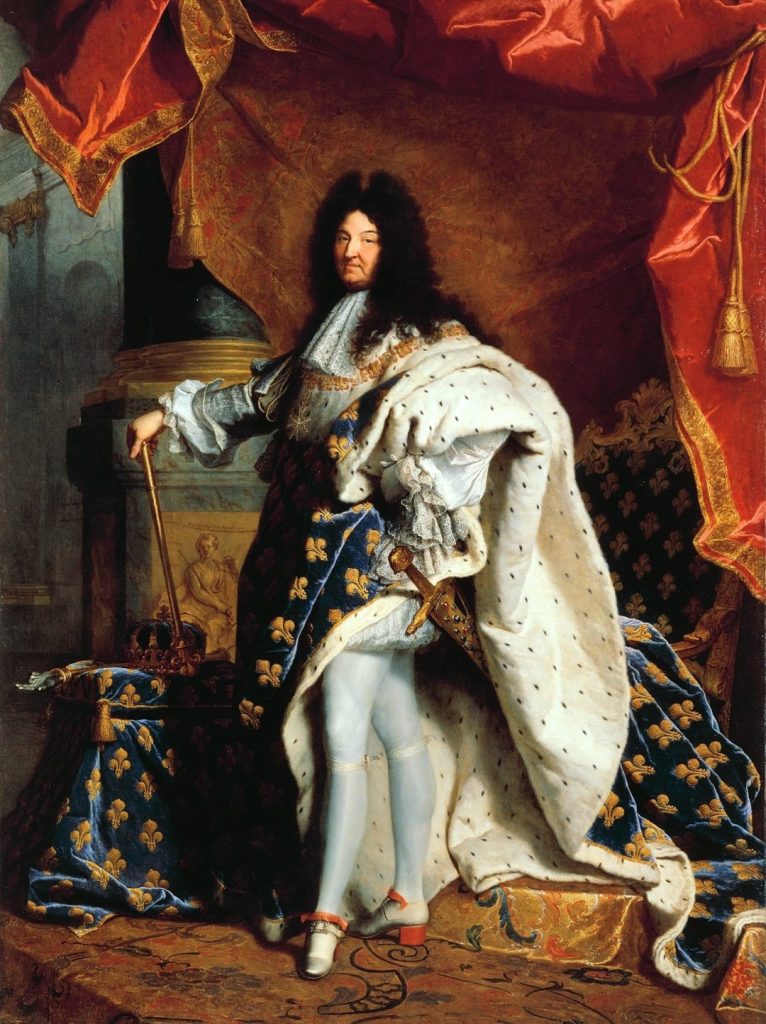
Louis-XIV-King-of-France-by-Hyacinthe-Rigaud-x
The Industrial Revolution in the 18th century significantly advanced button manufacturing. Before that, we were mostly using natural materials like wood and bone. But then, technology allowed us to experiment with everything from resin, medtal to acrylic and even man made diamond. Key innovations, including Matthew Boulton's steel polishing technique in Britain and the development of hollowing processes in France, enhanced the precision and variety of button production.
In the 19th century ,the introduction of metal electroplating allowed for the creation of buttons with detailed embroidery patterns, elevating their aesthetic appeal. Tin alloy and die-cast steel buttons became widely adopted for everyday use, while copper buttons were particularly valued in military uniforms for their robustness and luster.
By the 20th century, we were leaning heavily into synthetics like resin and nylon. Buttons became more about function than flair, especially with zippers coming into play.
Button Base Type
Four-Eye Buttons: Commonly used in suits for their classic appearance.

Four-Eyes Button.
Shaped Buttons: Metal Hand-Sewn Buttons are also found in suits, offering a sophisticated touch.
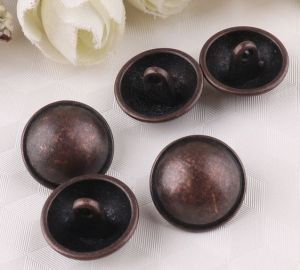
Mushroom Buttons.
Jean-Buttons: Known as Denim Buttons, used on jeans for durability and style.
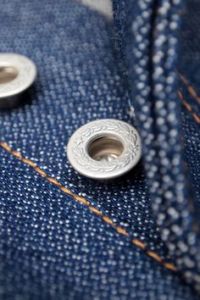
Denim Buttons
Delving into materials
Buttons have a rich history, initially crafted from natural materials like cow horns, shells, and wood, along with metal alloys like copper and iron. Over time, synthetic materials like resin and nylon gained popularity. In custom clothing, natural and metal buttons remain prevalent. Here are some commonly used materials.
Cow Horn Buttons
These buttons, crafted from natural cattle, are prized for their unique patterns and textures. While cow horn buttons may have originated in Europe but, behind the curtain of cultural reverence, India boasts a thriving industry focused on these unique buttons. India's abundant cattle population serves as the backbone of this peculiar trade. And let's not forget the strategic placement of manufacturing facilities, located near major fashion centers in Asia. In an industry where cost efficiency reigns supreme, India's position as a key supplier of button materials is both logical and advantageous.
The price of cow horn buttons follows a unique logic. Even from the same cow, prices can vary significantly due to differences in color and pattern, sometimes by 5-6 times. The rule of thumb? The shallower the color, the higher the price. However, color depth isn't the only factor; the uniqueness of the pattern also influences price. Limited availability of certain colors adds another layer of complexity, with larger orders facing a higher risk of rejection due to scarcity.

image (Cattle Horn Buttons)
Corozo Buttons
Renowned for its affordability, stunning wood grain-like patterns, and vibrant colors, corozo originates from the South American ivory palm. This palm's fruit, when peeled, reveals a white, ivory-like inner shell. After careful processing, including slicing and embryo extraction, it transforms into a versatile “white” original embryo. Through dyeing and other treatments, corozo buttons acquire their colorful hues, making them stand out in the world of button materials
Tagua's homeland lies in remote South America, with Ecuador being its primary producer. Ecuador benefits from unique geographical conditions conducive to fruit production. Also known as the ivory fruit in China, tagua's warm, jade-like color evokes images of exquisite bracelets and strings crafted from real ivory.
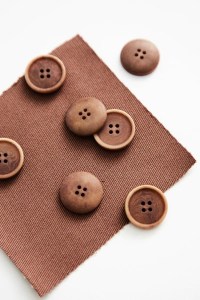
image (Fruit Buttons)
Shell Buttons
These buttons are crafted from a variety of natural shells, each boasting unique patterns and lustrous colors. The types of natural shells are more complex than horns and fruits. From river shells to sea shells, and even lake shells, the diversity of materials is as vast as the ocean itself. Among the most coveted shell buttons are those made from deep-sea shells, known for their exquisite beauty and durability. These shells undergo meticulous processing, including selection, shaping, and polishing, to create high-end buttons fit for both ready-to-wear and custom-made garments.
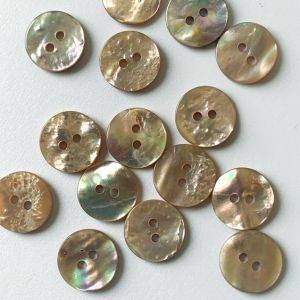
Shell Buttons 1.
Shell Snail, one of the most popular shell materials is the shell snail, cherished for its affordability, durability, and captivating red luster.
White Butterfly Shell, prized for its exquisite smooth texture, is held in the same esteem as precious gems. However, due to its limited production, the price has soared, making it a rare commodity reserved for only the most luxurious items. High-end products, such as impeccably tailored Italian shirts, showcase the shell's elegant texture, adding a touch of sophistication and refinement to the wearer's ensemble.
Black Butterfly Shell, known for its deep silver brilliance, is revered as the mother oyster of the coveted South Sea black pearl. Widely utilized in upscale handicrafts and décor, its luxurious appeal adds a touch of sophistication. Ideal for women's coats and cardigans, it accentuates their bright and ingenious features, elevating their elegance.
Abalone shell, considered a marine treasure of the highest grade, has adorned buttons since ancient times. Its distinctive, tortuous shape ensures that its luster reflects in multiple directions, rendering each button a thing of beauty. Whether viewed from any angle, its iridescence mirrors the hues of fragrant champagne, exuding a cool and natural allure reminiscent of the ocean's depths.
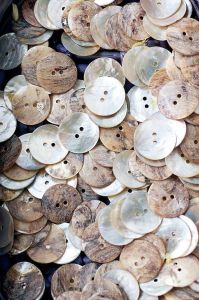
Shell Buttons 2.
The price of shell buttons often depends on their thickness and scarcity. Thicker buttons tend to cost more, and certain varieties, like the white butterfly shell, can be pricey due to limited availability, particularly with rising demand from luxury sectors like watchmaking. The main raw materials for shell buttons are primarily found along the Pacific coast, leading to concerns about overfishing and environmental damage. To protect these natural resources, shell harvesting in Australia and other areas is now regulated. It's essential to treat these gifts from nature with care and respect to ensure their preservation.
Ceramic Buttons
Originating from regions known for their pottery traditions, such as Italy, Japan, and China, ceramic buttons often bear the marks of their cultural heritage. Artisans meticulously craft these buttons from clay, shaping them into various forms before firing them in a kiln to achieve durability. The fabrication process involves skilled hands shaping the clay, sometimes incorporating intricate designs or textures, before the buttons undergo the firing process to harden and strengthen them.
While the production of ceramic buttons tends to be more labor-intensive, resulting in slightly higher prices compared to mass-produced alternatives, their unique aesthetic appeal and artisanal craftsmanship make them sought after by those who appreciate the artistry behind each piece.

Ceramic Buttons.
Metal Buttons
Fabricated from various metals like brass, zinc alloy, or stainless steel, these buttons typically boast a modern history rooted in industrialization. Metal buttons undergo intricate stamping or casting techniques to shape them into forms. Sometimes, they're embellished with designs or textures for added visual interest.
While offering durability and a sleek aesthetic, they often come at a more affordable price point compared to artisanal options like ceramic buttons. With their versatility and availability in a wide range of styles and finishes, metal buttons remain a popular choice for both casual and formal attire, catering to diverse fashion tastes and preferences.
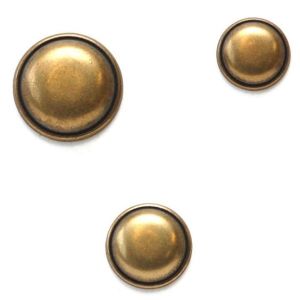
image (Metal-Button)
Resin Buttons
Unlike natural materials, resin buttons can be molded into intricate designs and patterns, making them a favorite for creative and innovative button designs. They are lightweight yet durable, making them suitable for a wide range of garments, from casual shirts to elegant dresses. Resin buttons come in a variety of colors, finishes, and sizes, allowing for endless customization options.
While they may lack the natural charm of materials like wood or shell, resin buttons are favored for their consistent quality and uniform appearance. With their smooth texture and vibrant colors, resin buttons add a modern touch to any outfit, making them a staple in the fashion industry.
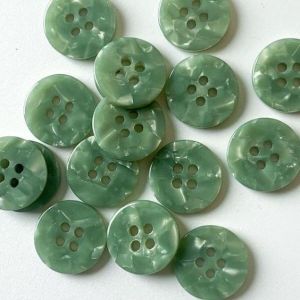
Pigeon Wishes (bio Resin Buttons)
Wood Buttons
Historically, wood buttons were handcrafted by skilled artisans using traditional woodworking techniques. They were often used in traditional garments and folk costumes, reflecting the cultural heritage of different regions.
Over time, as industrialization progressed, wood button production evolved with the introduction of machinery and mass manufacturing techniques. Today, they continue to be appreciated for their rustic charm, eco-friendliness, and unique aesthetic appeal. They are often used in both casual and artisanal fashion, adding a touch of warmth and natural beauty to garments.

Wood Buttons.

